National city contractor research
Plan a contractor project in New York, NY
Direct answer: Start with the borough, building type, ownership rules, and exact trade. New York projects can involve Department of Buildings filings, co-op or condo approvals, occupied-building logistics, licensed trades, and limited access before construction begins.
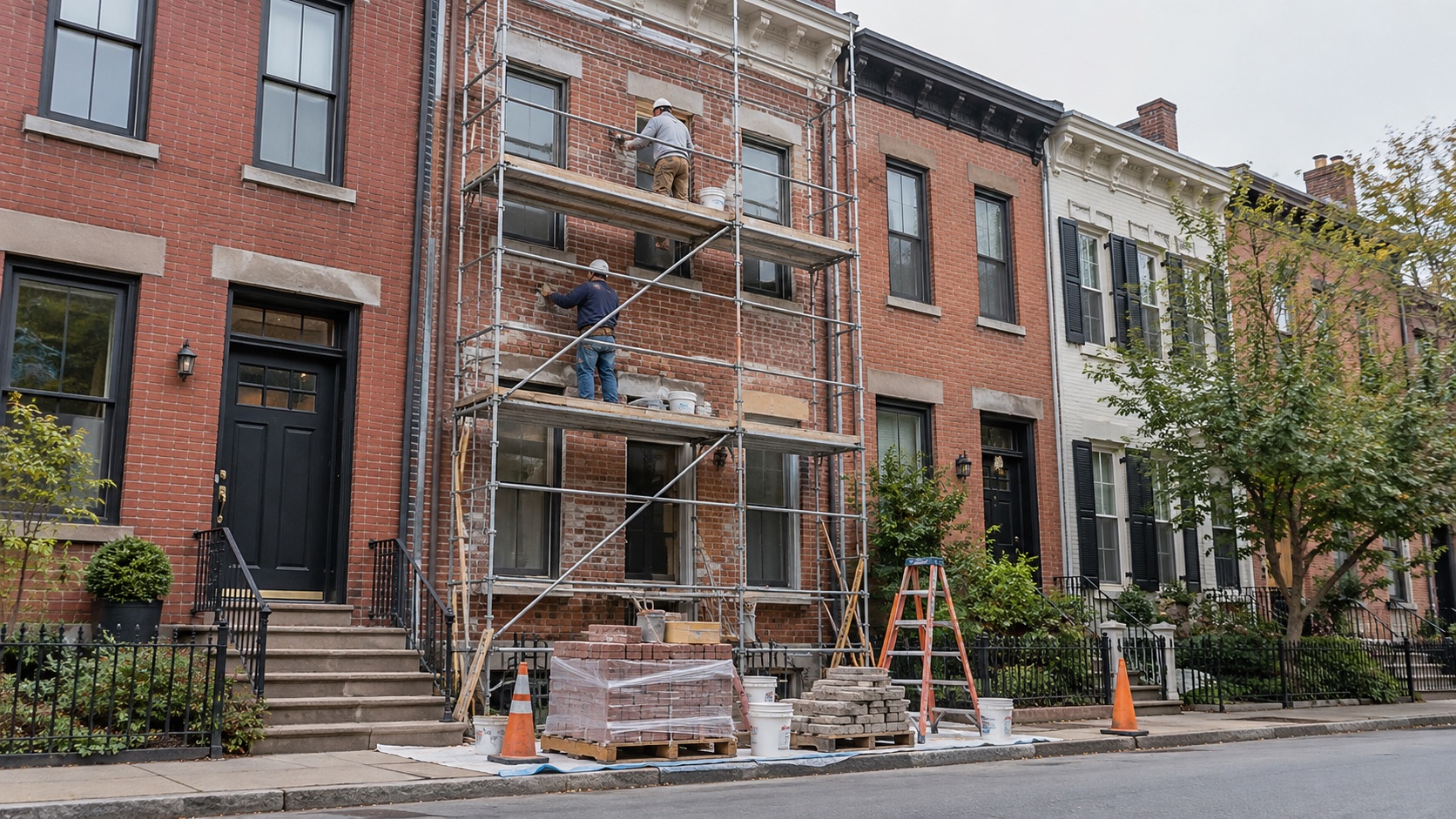
Local conditions to put in the scope
Older and attached buildings
Rowhouses, prewar apartments, party walls, masonry, aging systems, and layered prior repairs make diagnosis and protection planning important.
Building access
Elevators, stairs, loading zones, sidewalk protection, work hours, material storage, and debris routes can materially affect price and schedule.
Co-op, condo, and landlord approvals
Alteration agreements, insurance limits, licensed trades, building engineers, deposits, and house rules may apply in addition to public permits.
Lead, asbestos, and occupied spaces
Older materials and dense occupancy require proper testing decisions, containment, documentation, and a written protection plan.
Water and party-wall risk
Roof, facade, plumbing, and wet-area work can affect adjacent units or buildings, so boundaries and emergency procedures belong in the contract.
Contractor categories for New York projects
Choose the category that owns the primary system or outcome. Complex renovations may require a general contractor plus licensed specialty trades.
Remodeling Contractors
Additions, whole-home renovations, structural changes, permits, and trade coordination.
Plumbers
Leaks, drains, water heaters, repiping, fixtures, and regulated gas or plumbing work.
Electrical Contractors
Panels, circuits, rewiring, lighting, service changes, permits, and regulated electrical work.
Roofing Contractors
Roof inspection, repair, replacement, flashing, ventilation, and storm-related work.
Masonry Contractors
Brick, block, stone, mortar, chimneys, lintels, steps, and compatible repair.
Bathroom Remodeling Contractors
Waterproofing, tile, plumbing, ventilation, electrical, accessibility, and inspections.
Kitchen Remodeling Contractors
Cabinets, counters, appliances, ventilation, electrical, plumbing, and finish coordination.
Window Contractors
Window repair or replacement, flashing, water management, energy performance, and permits.
Insulation Contractors
Attics, walls, crawlspaces, air sealing, moisture control, and ventilation coordination.
Demolition Contractors
Selective or full removal, permits, utilities, hazardous materials, hauling, and cleanup.
Basement Waterproofing Contractors
Water-source diagnosis, drainage, sump systems, vapor control, and structural coordination.
HVAC Contractors
Heating, cooling, ventilation, ducts, load calculations, equipment replacement, and controls.
Permits and inspections
Requirements depend on the property, jurisdiction, building, and scope. Confirm who prepares documents, applies, pays fees, schedules inspections, corrects failed work, and closes the permit.
License and registration checks
Credential rules vary by trade, value, and location. Match the legal name and applicable classification to the proposal. Then verify current status, complaints or discipline where available, insurance, and permit eligibility.
Official starting point: NYC Department of Consumer and Worker Protection license check
ServiceGoat links to official agencies as research starting points. Agency rules and records control; this page is not legal, engineering, or code advice.